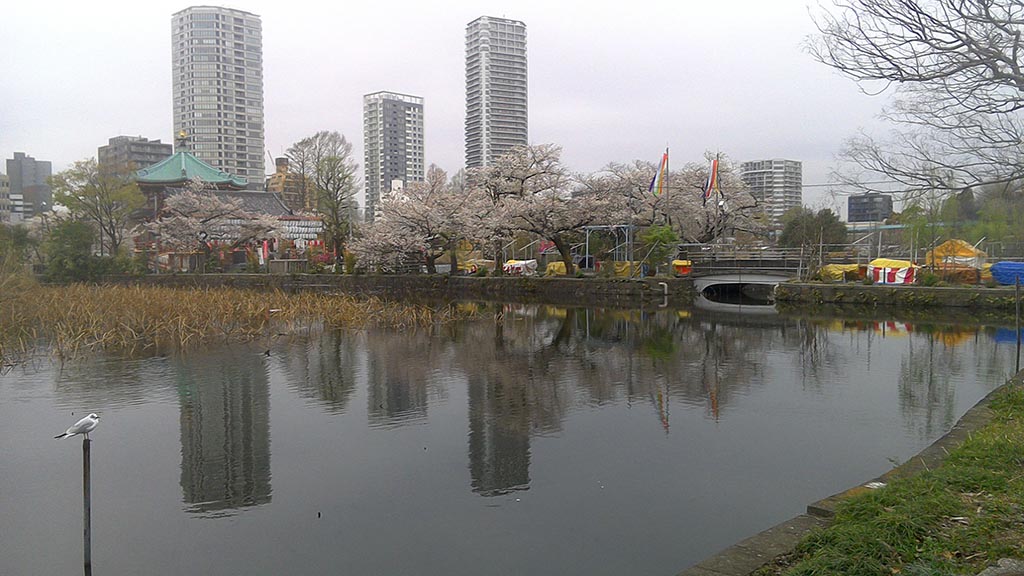
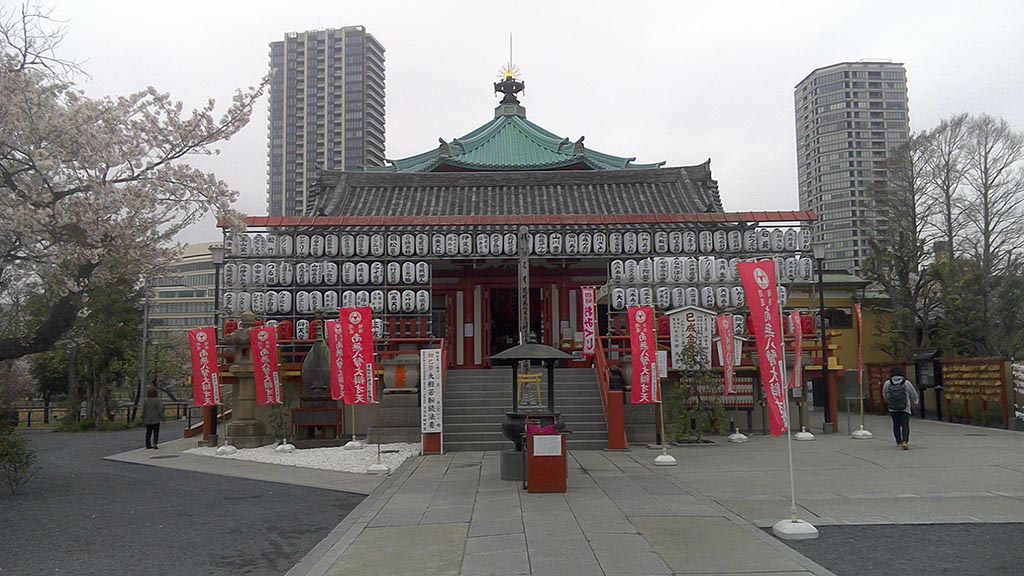
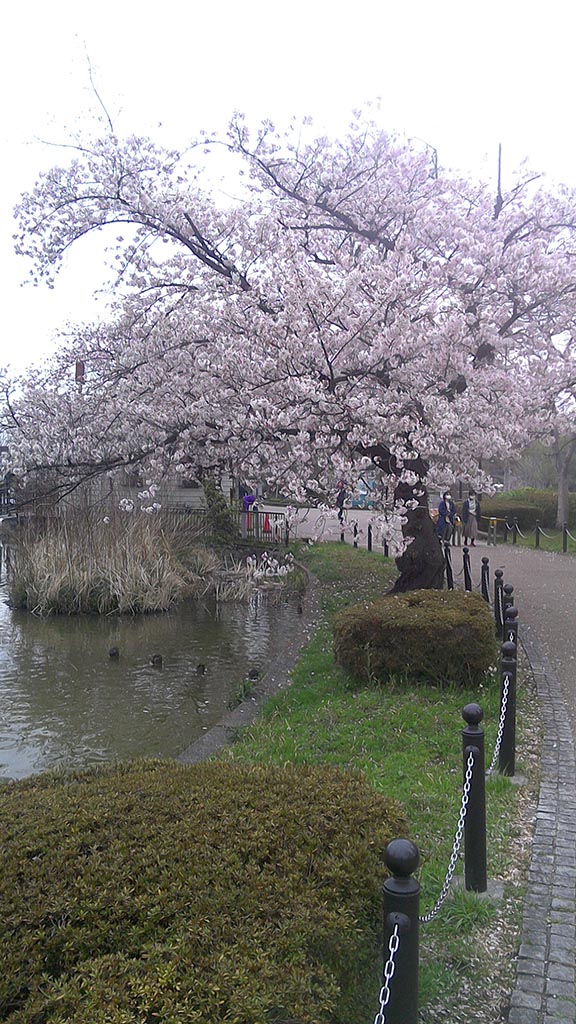
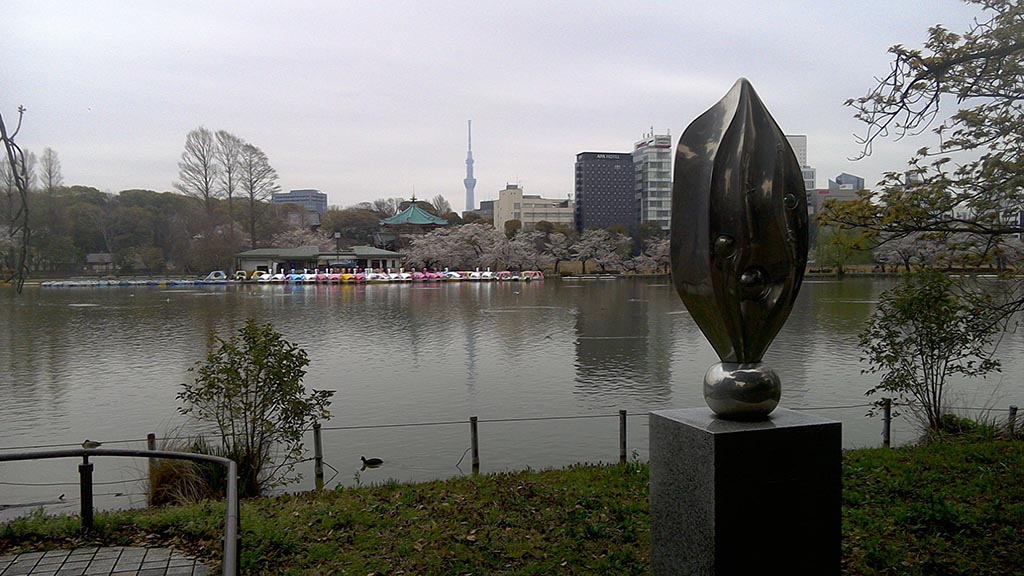
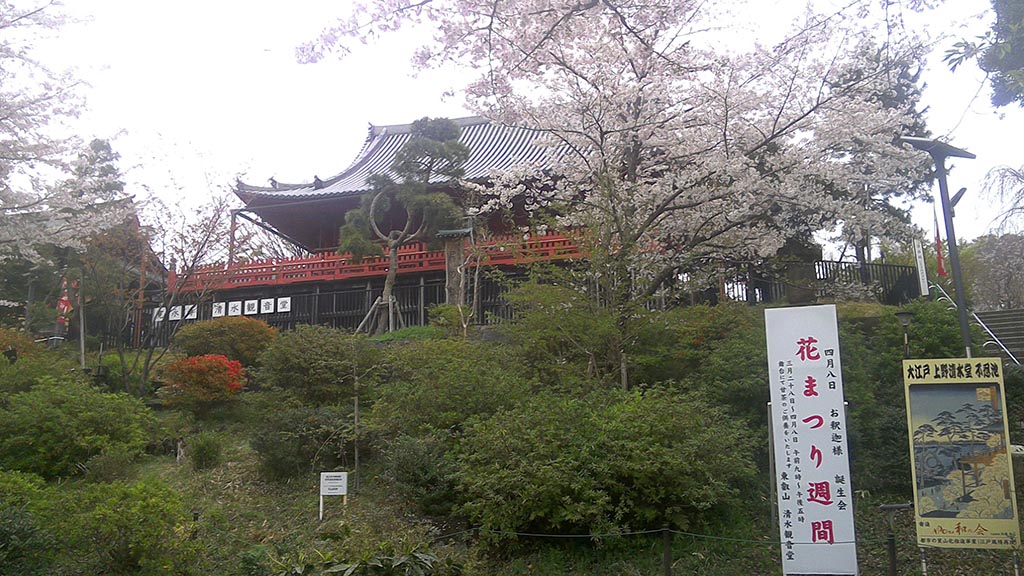
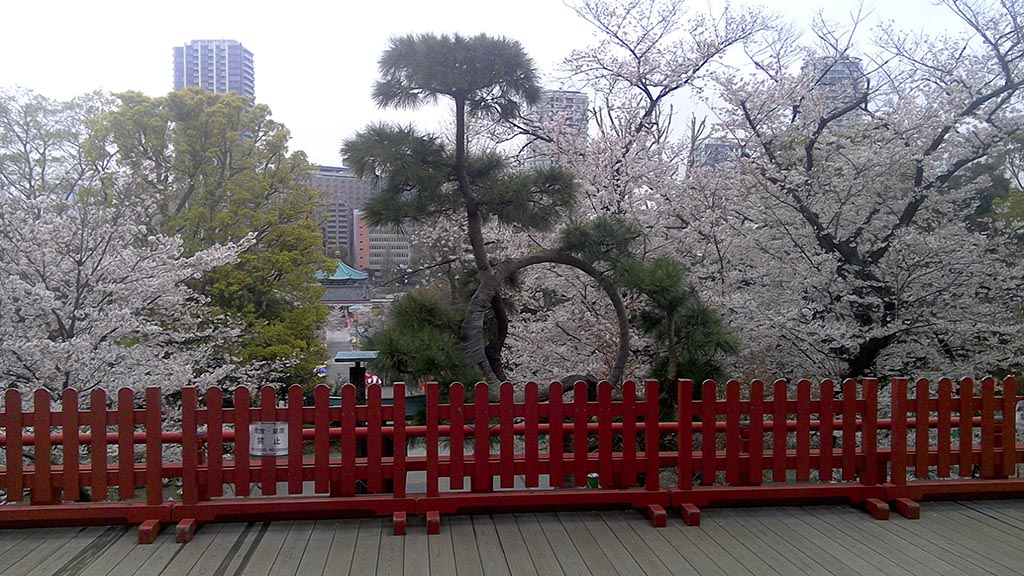
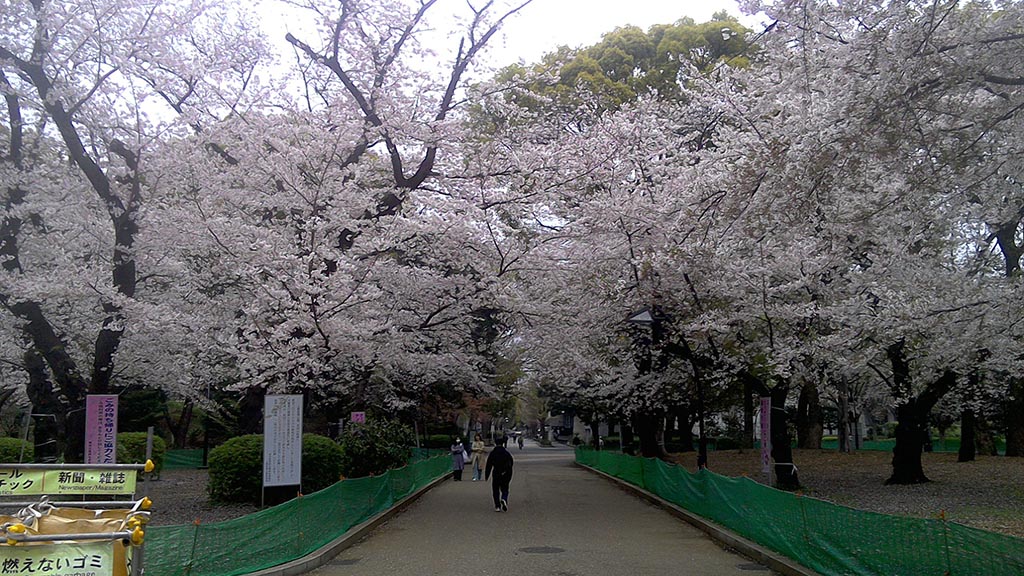
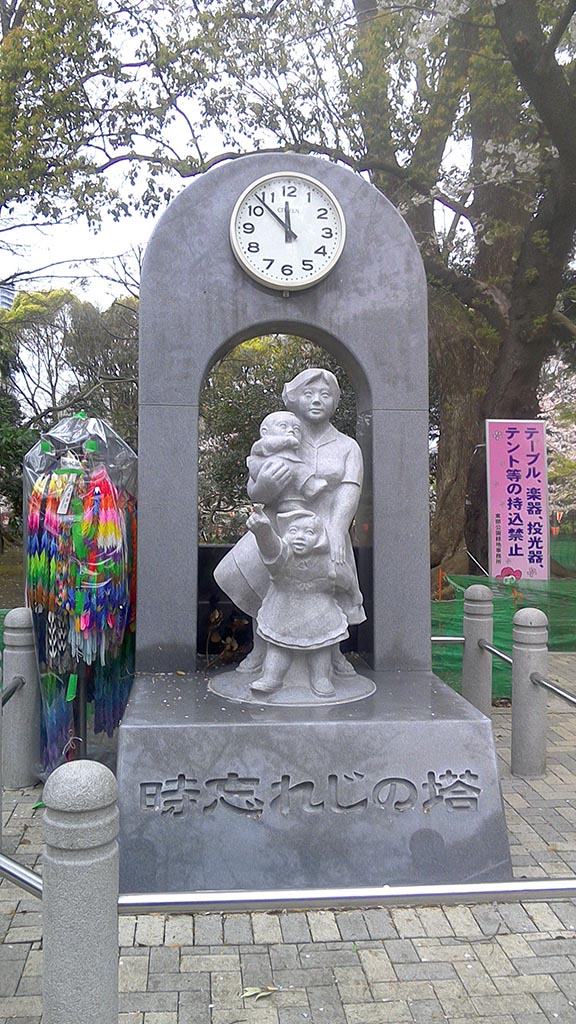
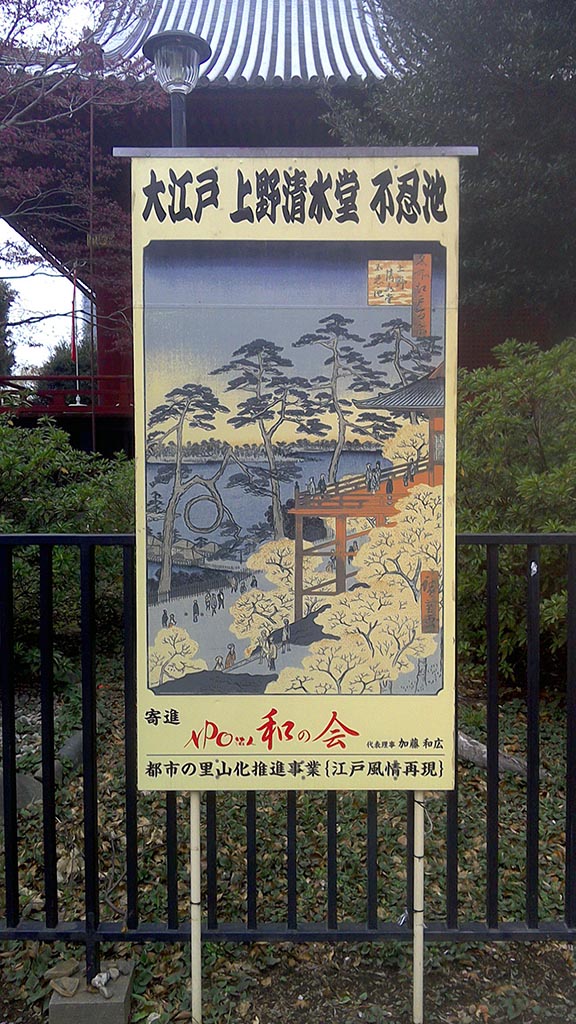
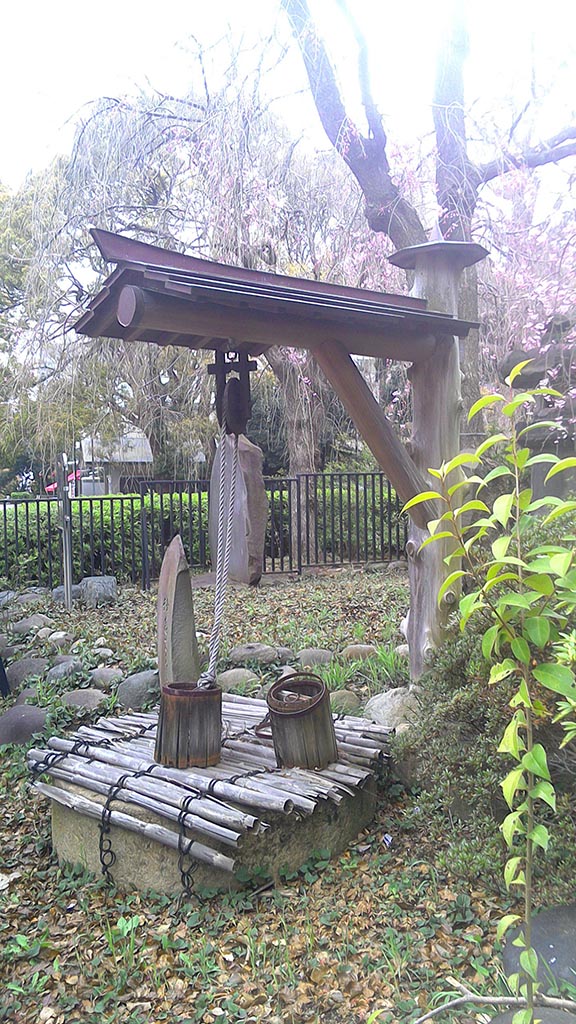
We really grew to love the Ueno neighborhood. Big train station, lots of convenience stores, all the sizzle of the Ginza and all the charm of small back streets. And I can’t say enough about the park. Dozens of museums, temples, a zoo, and reportedly one of the best locations for the cherry blossoms. All Tokyo seemed to be decorated by the cherry trees but Ueno Park had such variety and diversity of locations and we were told it was a preferred location for a hanami, an outdoor party under the cherry blossoms. Alas, because of the virus such gathering were prohibited.
So we are left with a remembrance of a hanami, an echo from the poet Basho Matsuo
A cloud of cherry blossoms;
The temple bell,-
Is it Ueno, is it Asakusa?
How many, many things
They call to mind
These cherry-blossoms!
Very brief –
Gleam of blossoms in the treetops
On a moonlit night.
A lovely spring night
suddenly vanished while we
viewed cherry blossoms
Ueno Park (上野公園, Ueno Kōen) is a large public park next to Ueno Station in central Tokyo. The park grounds were originally part of Kaneiji Temple, which used to be one of the city’s largest and wealthiest temples and a family temple of the ruling Tokugawa clan during the Edo Period. Kaneiji stood in the northeast of the capital to protect the city from evil, much like Enryakuji Temple in Kyoto.
At the southwestern end of the park lies Shinobazu Pond, one of many reminders of Kaneiji Temple’s former grandeur. The pond represents Lake Biwako (in a reference to Kaneiji’s model, the Enryakuji Temple of Kyoto, which overlooks Lake Biwako). On an island in the middle of the pond stands Bentendo, a temple hall dedicated to the goddess of Benten.
Ueno Park is famous for the many museums found on its grounds, especially the Tokyo National Museum, the National Museum for Western Art, the Tokyo Metropolitan Art Museum and the National Science Museum. It is also home to Ueno Zoo, Japan’s first zoological garden.
japan-guide.com